
Bringing home a puppy changes the kitchen as much as the living room. Feeding schedules, measured scoops and a gradual transition from the breeder’s or shelter’s food matter more than buying the loudest bag on the shelf. Josera is a German family-run pet-food specialist known for dog, cat and horse nutrition made in Germany with a strong laboratory narrative on its site.
This guide explains how to choose and introduce Josera for a new puppy. It is not veterinary advice and does not invent feeding amounts or medical claims.
Browse Josera Puppy & Dog Food
Table of contents
1. Collect the Puppy Brief
Ask the breeder or rescue what the puppy currently eats, how many meals per day, and whether any tummy sensitivity already appeared. Weigh the puppy if you can and note age in weeks. Sudden full swaps on travel day are a common cause of messy first nights.
If the vet already prescribed a clinical diet, that instruction wins over any marketing page.
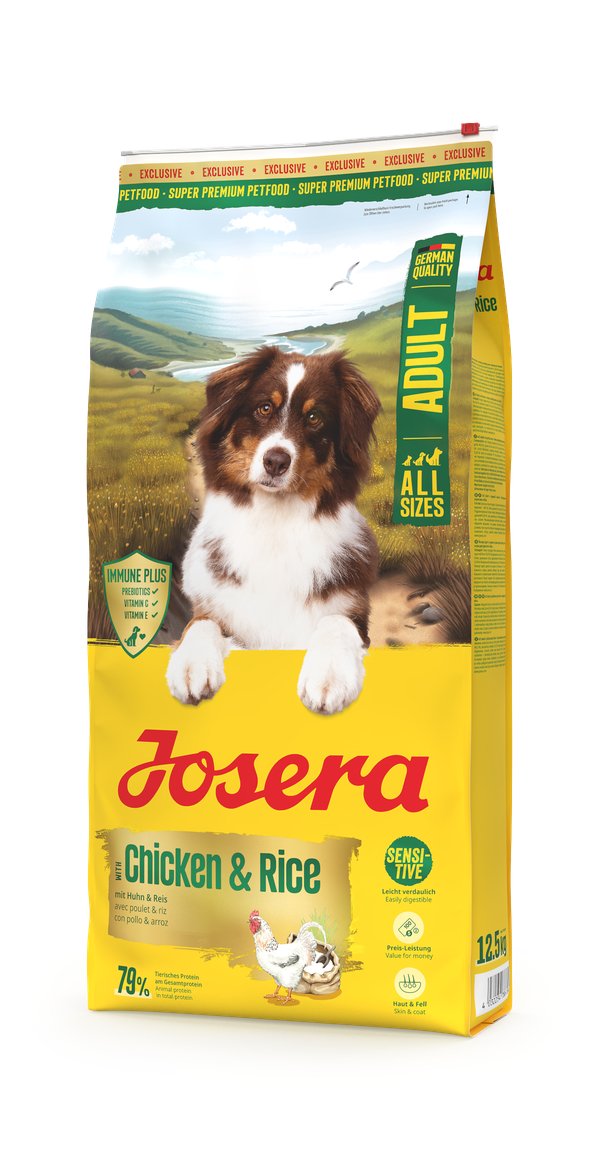
2. Pick a Life-Stage Recipe
On josera.de, open puppy or junior dog categories and read composition, analytical constituents and feeding guidance as published. Match large-breed versus small-breed guidance when the brand differentiates them. Avoid adult-only formulas for growing puppies unless a vet says otherwise.
Buy a bag size you will finish while fresh rather than a giant sack that stales in a humid utility room.
3. Transition Without Stomach Drama
Mix increasing proportions of Josera with the previous food over several days (longer if stools soften). Change one variable at a time—food before treats. Keep a stool and appetite log for two weeks. Fresh water must stay available; puppies dehydrate faster than adults during GI upset.
Stop and call a vet if vomiting is repeated, blood appears, or the puppy becomes lethargic.
4. Compare Early Household Roles
| Role | Use | Watch-outs |
|---|---|---|
| Puppy / junior recipe | Growth stage nutrition | Not a free-for-all with adult dogs’ bowls |
| Measured meals | Portion control while training | Scales beat “heaping cups” |
| Training treats | Separate calorie budget | Too many treats skew the food trial |
| Adult household dogs | Keep separate if recipes differ | Prevent bowl theft with gates |
5. A First-Fortnight Routine
- Days 1–2: continue prior food; set feeding stations.
- Days 3–7: gradual Josera mix; log stools.
- Days 8–14: reach target mix if digestion stays stable; book vet check if history is thin.
- Ongoing: weigh weekly; adjust only with guidance.
Compare current puppy assortments on Josera and treat feeding tables as starting points for vet discussion.
Official product FAQs beat comment-section dosages.
Households with resident adult dogs need separate stations so the puppy’s growth diet is not stolen.
Store bags sealed and dated; fat-containing foods stale.
Photograph lot codes on arrival for quality questions.
Promotions help after the puppy brief exists—random flavours confuse transitions.
End fortnight one with a written keep/adjust note before you change protein sources again.
Socialisation walks and sleep matter as much as kibble; food is only one settling tool.
If fostering, ask the rescue for continuity food first, then plan any Josera switch calmly.
Children should not free-pour food; measured scoops prevent accidental overfeeding.
Puppies explore with their mouths. Store bags and scoops well above floor level and teach children that pet food is not a snack, even when the kibble looks like cereal.
Crate-adjacent feeding can reduce early resource guarding for some dogs; others do better in a quiet laundry corner. Match the station to the puppy’s stress signals, not to Instagram aesthetics.
Keep the breeder’s or shelter’s emergency contact handy through the transition fortnight in case diet history questions arise.
Dental chews and toppers add calories. Log them the same way you log meals so weight checks stay honest.
If you also keep cats, elevate feline bowls and gate dog access during puppy meals. Species needs differ and theft skews both diets.
Large-breed puppies may need careful growth pacing—follow vet guidance rather than pushing maximum calories for “bigger faster.”
End each bag by noting the lot and how stools looked; that diary helps if a future batch seems different.
Keep receipts and confirmation screenshots in one dated folder so renewals, returns and disputes stay boring instead of forensic. When a chat thread disappears, that folder still exists.
If you share decisions with family or teammates, write the final choice in one sentence after you checkout. Memory rewrites bargains; dated notes do not.
Seasonal campaigns can help after your use case is written. A discounted item that does not match the plan is still clutter or wasted budget.
When travel or outages are involved, screenshot key pages while you still have reliable Wi-Fi. Offline copies reduce stress in terminals, hotels and weak-signal neighbourhoods.
Official help pages and product FAQs on the brand or booking site still beat random social comment threads when you need a return window, shipping cut-off or specification clarified.
Before you close the tab, re-read your written use case once. If the cart no longer matches that sentence, remove items until it does. Impulse upgrades are how calm plans become expensive clutter.
After the first week of real use, schedule a ten-minute review: what worked, what felt noisy, and what you would not buy again. That short review prevents repeating the same mistake on the next campaign banner.
When you are unsure, wait one day before paying. A borderline cart decision usually costs nothing to postpone and saves return hassle.
Tell one accountability person what you bought and why. Explaining the use case out loud catches weak justifications early.
Conclusion
Josera can fit a new puppy household when you preserve continuity first, choose a life-stage recipe, and transition slowly with a stool log—and when you involve a vet for fragile or special-needs pups.
Frequently Asked Questions
Is this veterinary advice?
No. Ask your vet for individual guidance.
Can puppies eat adult Josera recipes?
Prefer life-stage appropriate foods unless a vet directs otherwise.
What about cats in the same home?
Keep species diets separate; this guide focuses on puppies.