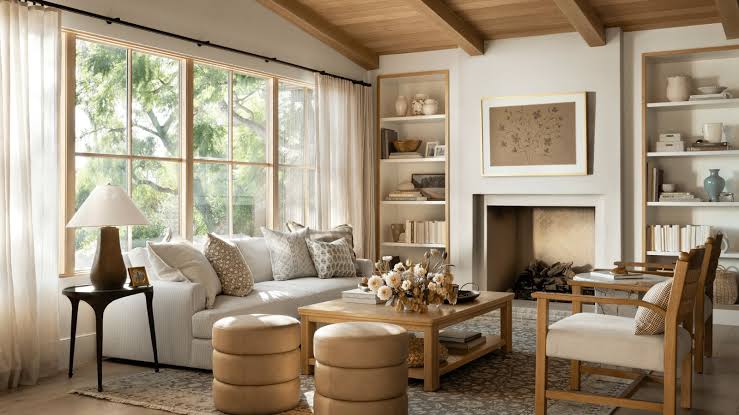
The Most Beautiful Homes Don’t Look Like They Were Finished in a Weekend
You know the feeling when you walk into a room and everything seems to belong together, but nothing looks overly coordinated?
The furniture isn’t from one matching set.
The artwork feels personal.
Different materials sit comfortably beside one another.
There are books, objects and textiles that appear to have been gathered gradually rather than purchased all at once.
That’s the beauty of a collected interior.
Instead of decorating a room around one trend, you build it slowly using pieces with different textures, shapes, materials and personalities.
The result can feel warmer, more individual and more timeless.
Here’s how to achieve it.
Start With the Room, Not the Trend
Before shopping, look at the space you already have.
Consider:
- Natural light
- Room size
- Architecture
- Existing furniture
- Flooring
- Wall colour
- How you actually use the room
Your home should influence your decorating decisions more than whatever happens to be trending online.
A room with beautiful traditional details may inspire different choices from a modern apartment with large windows and clean architectural lines.
Work with the space rather than forcing it into a particular aesthetic.
Choose One Anchor Piece
Every room benefits from a visual starting point.
 In a living room, that might be:
- Sofa
- Rug
- Coffee table
- Large artwork
- Statement chair
In a bedroom, it might be the bed.
In a dining room, it could be the table.
Choose one significant piece and allow other decisions to develop around it.
This prevents the room from becoming a collection of unrelated purchases.
Avoid Buying Matching Furniture Sets
Matching furniture can make shopping easier, but too much coordination can make a room feel more like a showroom than a home.
Instead of buying:
Matching sofa.
Matching chairs.
Matching coffee table.
Matching side tables.
Try creating relationships between pieces without making them identical.
A wood coffee table might sit beside a stone side table.
An upholstered sofa can be paired with a leather or woven chair.
Different pieces can still feel connected through proportion, colour or material.
Mix Old and New
One of the easiest ways to create a collected feeling is to combine pieces that appear to come from different periods.
A modern sofa can sit beneath vintage inspired artwork.
A traditional wood console can support a contemporary lamp.
An antique style object can sit on a clean modern coffee table.
Contrast creates personality.
Even if you don’t own genuine antiques, pieces with aged finishes, traditional shapes and natural materials can help introduce that sense of history.
Create a Neutral Foundation
A collected home doesn’t have to be beige.
But a relatively cohesive foundation can make layering easier.
Consider starting with colours such as:
- Warm white
- Cream
- Taupe
- Brown
- Olive
- Charcoal
- Natural wood tones
Then introduce deeper or more expressive shades through textiles, artwork, books and smaller objects.
A calm base gives individual pieces room to stand out.
Layer Different Materials
Material is one of the most important elements of an interesting interior.
Imagine a living room containing:
Linen sofa.
Oak coffee table.
Wool rug.
Brass lamp.
Stone bowl.
Woven basket.
Ceramic vase.
Even with a very simple colour palette, the room has depth because each surface interacts with light differently.
Try mixing:
- Wood
- Stone
- Linen
- Wool
- Leather
- Metal
- Glass
- Ceramic
- Rattan
You don’t need all of them in every room.
The idea is simply to avoid relying on one finish everywhere.
Use a Rug to Ground the Room
A rug can visually connect furniture that would otherwise feel separate.
In a living room, it helps define the seating area.
In a bedroom, it adds softness.
In a dining room, it can create a visual boundary around the table.
Scale matters.
A rug that’s too small can make furniture appear disconnected.
When possible, choose a size that allows the major pieces to visually interact with it.
Consider the Rug’s Material
Different materials create different effects.
Wool
Soft, substantial and available in many textures and patterns.
Jute
Adds natural texture and works particularly well in relaxed spaces.
Performance materials
Can be practical for busier areas depending on the specific product.
Outdoor rugs
Designed for spaces exposed to different environmental conditions.
The best option depends on the room, traffic level and lifestyle.
Layer Your Lighting
One ceiling fixture usually isn’t enough to create an inviting room.
Think of lighting in layers.
Ambient Lighting
Provides overall illumination.
Examples include chandeliers, pendants and flush mounts.
Task Lighting
Supports particular activities.
Think reading lamps or desk lighting.
Accent Lighting
Adds atmosphere and highlights particular areas.
Table lamps and sconces can be especially useful here.
Using several sources gives you more control over the mood of the room.
Treat Lighting Like Furniture
A lamp isn’t simply a practical object.
It also contributes shape, material and scale.
A ceramic table lamp can add texture.
A brass sconce introduces warmth.
A sculptural chandelier can become the focal point of an entire room.
Think about how the fixture looks when it’s turned off as well as when it’s illuminated.
It should contribute to the room throughout the day.
Add Artwork Gradually
Empty walls don’t need to be filled immediately.
It’s better to wait for artwork you genuinely like than buy something purely because the wall looks unfinished.
Mix different types of art.
You might combine:
- Landscape paintings
- Abstract pieces
- Photography
- Botanical artwork
- Sketches
- Personal photographs
Not every piece needs to be large or dramatic.
Smaller artwork can be layered into shelves, consoles and gallery walls.
Vary Your Frames
Artwork doesn’t necessarily need identical frames.
Mixing finishes can reinforce the collected look.
Try combinations of:
- Natural wood
- Dark wood
- Antique brass
- Black
- Aged finishes
Keep some visual connection between the frames so the result still feels intentional.
Style Shelves in Layers
Shelves can easily become either empty or overcrowded.
The solution is balance.
Start with larger pieces.
Add books.
Introduce a vase or bowl.
Layer in artwork.
Finish with smaller decorative objects.
Leave some open space.
Every centimetre doesn’t need to contain something.
Negative space helps individual pieces stand out.
Use Books as Decorative Foundations
Books can bring colour, height and personality to shelves and tables.
Stack two or three horizontally and place an object on top.
Lean books beside artwork.
Place a small collection on a coffee table.
Choose books you actually enjoy whenever possible.
A collected home should reflect the people living there.
Mix Decorative Objects by Height
When styling a coffee table, console or shelf, avoid lining up objects of exactly the same height.
Create variation.
For example:
Tall vase.
Medium candleholder.
Low bowl.
Stack of books.
Small sculptural object.
Different heights create movement and prevent the arrangement from looking flat.
Group Objects Instead of Spreading Them Everywhere
Five small objects scattered across a large table can look cluttered.
Group some of them together.
A tray can help.
Try:
Books + bowl + candle
or
Vase + framed photograph + decorative object.
Grouping gives small pieces a stronger visual relationship.
Add Greenery
Plants, branches and flowers can soften hard surfaces.
You don’t need elaborate arrangements.
A simple branch in a large vessel can make a strong statement.
Small greenery can also work on:
- Kitchen counters
- Nightstands
- Coffee tables
- Consoles
- Shelves
Natural shapes provide contrast against structured furniture.
Combine Pattern Carefully
A collected room doesn’t need to avoid pattern.
The trick is varying scale.
For example:
Large floral pillow.
Small geometric textile.
Subtle patterned rug.
Striped throw.
Patterns can coexist when they share some colours without being identical.
Layer Pillows Without Making Them Match
Instead of buying five identical pillows, create a combination.
Try mixing:
- Solid linen
- Small pattern
- Larger pattern
- Textured fabric
- Different sizes
Keep a common colour running through the arrangement.
This creates cohesion without making everything feel like a set.
Add Throws for Softness
Throws are an easy way to introduce texture and seasonal colour.
Drape one casually across:
- Sofa
- Lounge chair
- Bench
- Bed
In warmer months, choose lighter fabrics.
During cooler seasons, heavier textures can make the room feel more inviting.
Give Every Room Something Unexpected
A room becomes more interesting when one element doesn’t perfectly match expectations.
Maybe it’s:
A sculptural chair.
Oversized artwork.
An unusual lamp.
A vintage inspired object.
A dramatic mirror.
A deeply coloured textile.
The unexpected piece can become what gives the room its personality.
Don’t Forget the Entryway
The entryway introduces the rest of your home.
 Even a small one can feel intentional.
Start with:
- Console table
- Mirror or artwork
- Lamp
- Bowl or tray
- Basket
- Greenery
Keep functionality in mind.
A beautiful entryway should still provide somewhere useful for everyday essentials.
Create a Collected Coffee Table
Coffee tables are perfect places for small layers.
Try using:
One stack of books
One decorative object
One bowl or tray
One organic element such as greenery
That’s often enough.
You can always add more later.
Avoid filling every available surface.
Bring Character Into the Dining Room
Dining rooms often contain several large functional pieces, which makes smaller details especially important.
Introduce personality through:
- Lighting
- Rug
- Artwork
- Table linens
- Serveware
- Decorative bowls
- Candleholders
The dining table doesn’t need to be permanently set for dinner.
A simple vessel or bowl can be enough for everyday styling.
Make the Bedroom Feel Layered
Bedrooms naturally benefit from textiles.
Start with bedding.
Then add:
- Quilt or coverlet
- Throw
- Pillows
- Rug
- Curtains
Varying textures can create depth even when you’re using mostly neutral colours.
Add bedside lighting and artwork to make the room feel complete.
Decorate Slowly
Perhaps the most important rule is not to rush.
A truly collected home usually develops over time.
You find a lamp.
Later you discover artwork.
Months afterwards, you replace a chair.
Then you bring home a beautiful object from a trip.
Each layer adds another part of the story.
Trying to complete an entire house during one shopping weekend often removes that sense of evolution.
Invest More in Pieces You Use Every Day
Not everything needs the same budget.
Consider investing more thoughtfully in items that receive frequent use, such as:
- Sofa
- Dining table
- Bed
- Lounge chair
- Rug
- Lighting
Smaller decorative pieces can then evolve around these foundations.
Think about longevity, materials and construction as well as appearance.
Let Your Home Change With the Seasons
A timeless foundation doesn’t mean your home should remain identical all year.
Small seasonal changes can refresh it.
For autumn:
Introduce richer textiles and warmer tones.
For winter:
Add heavier throws and atmospheric lighting.
For spring:
Bring in lighter textiles and fresh greenery.
For summer:
Simplify layers and introduce natural textures.
The furniture doesn’t need to change.
Small details can create a completely different atmosphere.
McGee & Co.’s Approach to Collected Interiors
McGee & Co. is an interior brand created by Studio McGee and founders Shea and Syd McGee.
The collection was developed around the idea of creating beautiful homes through a refined selection rather than overwhelming shoppers with endless choices.
The brand describes its design philosophy as combining timeless, traditional styles with modern concepts.
Its collection spans:
- Furniture
- Lighting
- Rugs
- Artwork
- Mirrors
- Pillows
- Throws
- Bedding
- Kitchen pieces
- Tabletop
- Decorative objects
- Outdoor furniture and accessories
Material and craftsmanship also play a central role in the collection, with pieces incorporating materials such as wool, solid oak, travertine, brass and other natural or elevated finishes.
This variety makes it possible to create rooms using different textures and materials while maintaining an overall sense of cohesion.
The McGee & Co. Collected Look
Rather than relying on one design trend, the McGee & Co. aesthetic frequently mixes traditional silhouettes with contemporary elements.
A room might combine:
Upholstered seating.
Natural wood.
Hand knotted rug.
Sculptural lighting.
Vintage inspired artwork.
Ceramic decor.
Textured pillows.
The pieces aren’t identical.
That’s what makes the combination interesting.
A Simple Collected Home Checklist
When styling a room, ask:
- Do I have one strong anchor piece?
- Are all my furniture pieces too perfectly matched?
- Have I mixed several materials?
- Is the rug appropriately scaled?
- Do I have more than one source of lighting?
- Does the artwork feel personal?
- Have I varied the height of decorative objects?
- Is there enough empty space?
- Have I included something organic?
- Does the room feel like me?
If the final answer is yes, you’re heading in the right direction.
Final Thoughts
A beautiful home doesn’t need to look perfectly decorated.
It should look lived in.
Collected.
Layered.
Personal.
Start with timeless furniture.
Ground the room with a rug.
Layer your lighting.
Mix wood, stone, metal, textiles and ceramics.
Add artwork and objects slowly.
Leave room for your home to evolve.
McGee & Co.’s approach to interiors reflects that philosophy, combining traditional influences, modern ideas, thoughtful materials and pieces designed to work together without looking overly matched.
The goal isn’t to finish your home.
It’s to create a space that becomes more personal with time.