Getting enough sleep is an important part of maintaining everyday wellbeing.
However, sleep is about more than simply counting the hours spent in bed.
Modern wearable devices can provide estimates of sleep duration, sleep stages and physiological signals associated with recovery.
Understanding these measurements can help you recognise patterns in your sleeping habits and make more informed lifestyle decisions.
What Is Sleep Tracking?
Sleep tracking involves monitoring patterns that occur while you sleep.
Wearable devices commonly use sensors to measure movement, heart rate and other physiological signals.
Software then estimates when you fall asleep, how long you sleep and how your sleep changes throughout the night.
These measurements can provide useful information, although they are not equivalent to a professional sleep study.
Understand the Different Sleep Stages
 Sleep involves several stages that repeat throughout the night.
Light sleep forms part of the normal sleep cycle and helps the body transition between stages.
Deep sleep is associated with physical restoration and important physiological processes.
REM sleep is linked with dreaming, memory processing and emotional regulation.
Wearable devices estimate these stages using sensor data, but their accuracy can vary.
Why Sleep Duration Matters
Adults generally need sufficient sleep to support their everyday functioning.
Many adults benefit from approximately seven to nine hours each night, although individual needs differ.
A consistent sleep schedule can be just as important as focusing on a particular number.
Try to maintain similar sleeping and waking times throughout the week.
What Is Heart Rate Variability?
Heart rate variability, commonly called HRV, describes the variation in time between consecutive heartbeats.
It is influenced by the autonomic nervous system and can change according to sleep, stress, physical activity and other factors.
Some wearable devices measure HRV during the night when movement is reduced.
Rather than comparing your number with someone else’s, focus on understanding your usual range.
Understanding Resting Heart Rate
Resting heart rate is another metric commonly included in sleep tracking.
It describes how frequently your heart beats while your body is at rest.
The number can vary depending on fitness, medication, stress, illness and other circumstances.
Looking at longer term patterns can provide more context than interpreting one unusual measurement.
What Are Recovery Scores?

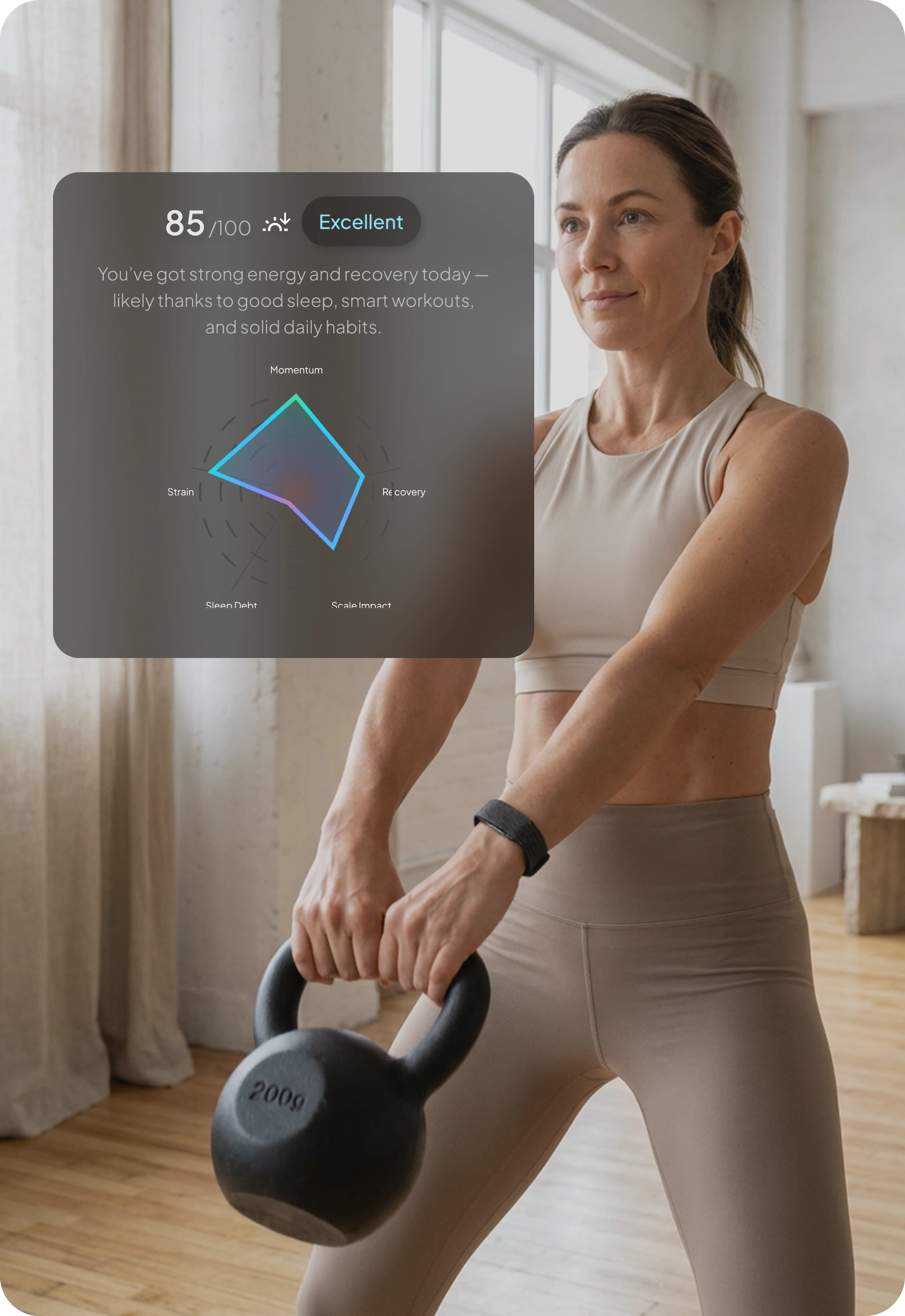
Some wearable devices combine several measurements into a simplified recovery score.
These may include sleep duration, resting heart rate, HRV and recent activity.
The purpose is to provide an overview of how your body may be responding to everyday demands.
However, recovery scores are estimates created using manufacturer specific algorithms.
They should not be treated as medical assessments.
Look for Patterns Over Time
One night of unusual sleep does not necessarily indicate a serious problem.
Travel, stress, late meals and changes in routine can influence sleep patterns.
Reviewing trends over several weeks may help you identify habits associated with more consistent rest.
Avoid becoming overly concerned with achieving a perfect score every morning.
Build Better Sleep Habits
Wearable technology can provide information, but everyday habits remain important.
Maintain a comfortable sleeping environment and reduce unnecessary noise and light.
Try to follow a consistent bedtime routine.
Consider limiting caffeine close to bedtime if it affects your sleep.
Regular daytime movement and adequate opportunities for rest can also support healthy routines.
Explore Sleep Tracking With Hume Health
Hume Health offers the Hume Band 2.0, a wearable device designed to monitor several wellness indicators.
Its features include sleep stage estimates, heart rate monitoring, heart rate variability, blood oxygen trends and recovery insights.
The device connects to the Hume Health app, where users can review their information and observe patterns over time.
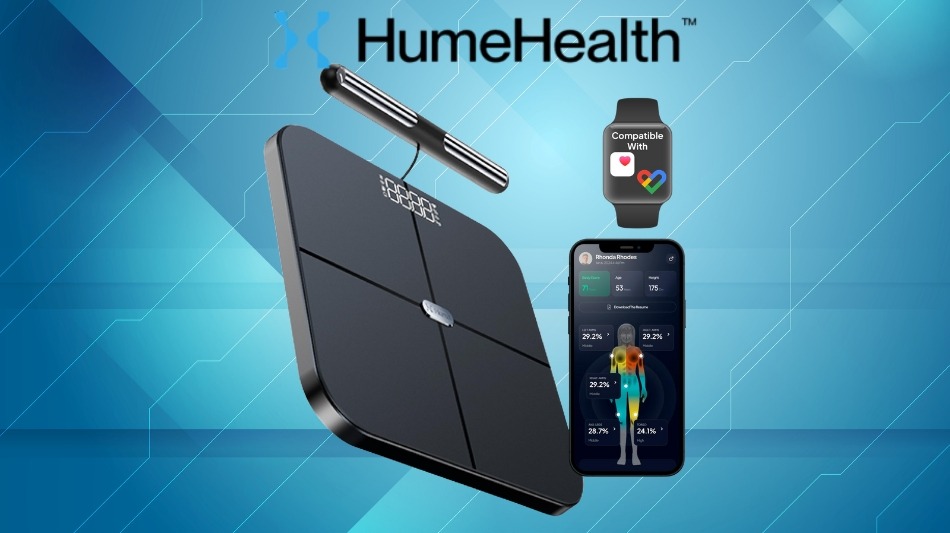
Hume also offers the Body Pod, which provides estimated body composition measurements.
Together, these products form part of the company’s wider wellness tracking ecosystem.
Understand the Limitations of Wearable Data
Consumer wearables are not medical diagnostic devices.
Sleep stages and recovery scores are estimates, and their accuracy can vary between devices and individuals.
If you experience persistent sleep difficulties, significant daytime sleepiness or symptoms of a possible sleep disorder, consult a healthcare professional.
Do not rely on wearable scores to diagnose or exclude medical conditions.

Final Thoughts
Sleep tracking can provide useful insights into everyday habits and recovery patterns.
Understanding sleep stages, HRV and resting heart rate can make wearable data easier to interpret.
The most useful approach is to observe longer term trends without becoming overly focused on individual numbers.
Hume Health offers wearable technology designed to help users explore sleep and recovery information.
Combined with healthy routines and realistic expectations, sleep tracking can be one helpful part of understanding personal wellbeing.